






 English









































Rise of Mobile Esports: How UK Players Are Gaming on the Go

In the past year, the average UK esports player has spent more than 12 hours a week on a smartphone competing in ranked tournaments, a jump of roughly 30 % from the previous year.
Hardware That Keeps Pace
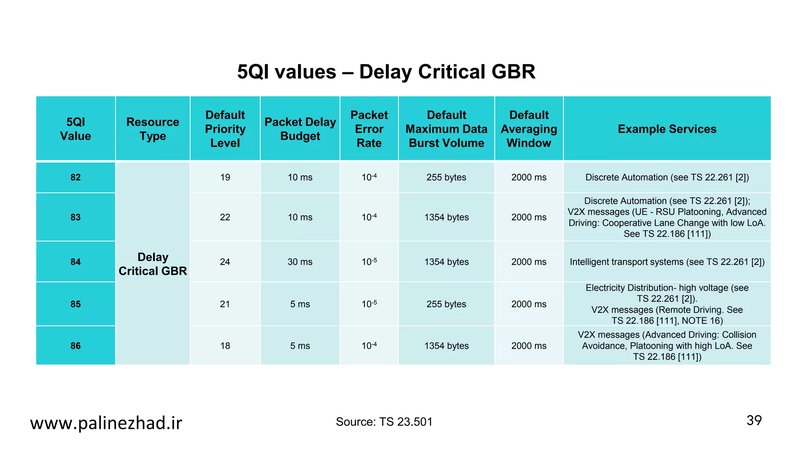
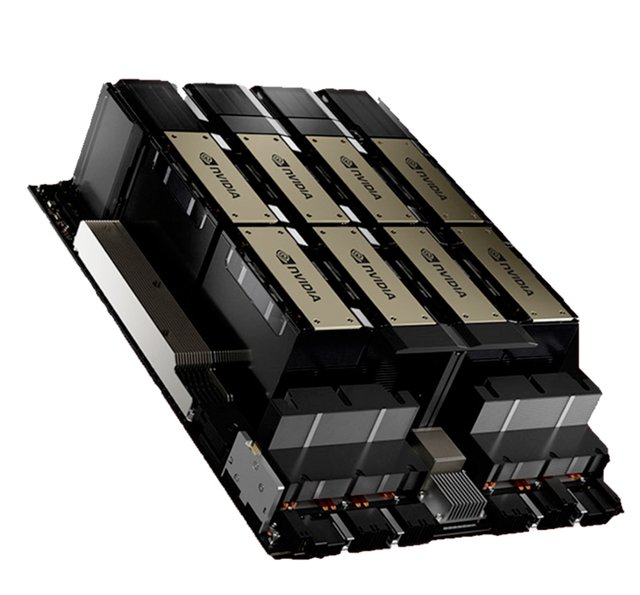
Modern mid‑range phones now ship with 8‑core processors and 6 GB of RAM, enough to run titles like Mobile Legends and Call of Duty: Mobile at 60 fps without stuttering. The rise of 5G coverage means that latency can drop below 20 ms in most urban areas, a critical factor for competitive play.
Game Design Tailored for Touch
Developers are moving from traditional mouse‑and‑keyboard controls to gesture‑based mechanics. In Clash Royale, for example, a single swipe can summon a tower, while a double‑tap launches a spell. This simplification reduces the learning curve for newcomers and allows seasoned players to execute complex combos on a small screen.
Community and Infrastructure
Online forums and Discord servers dedicated to mobile esports have grown from a handful of communities to over 50 active groups in the UK. These platforms host weekly scrims, share patch notes, and coordinate regional qualifiers. The UK Esports Association now offers a dedicated mobile division, providing official rankings and sponsorship opportunities.
Economic Impact and Sponsorship
Brands are allocating 15 % of their esports budgets to mobile tournaments, a shift from the 5 % that existed two years ago. A recent survey showed that 40 % of UK players consider sponsorship deals when choosing a game, indicating that financial incentives are driving platform loyalty.
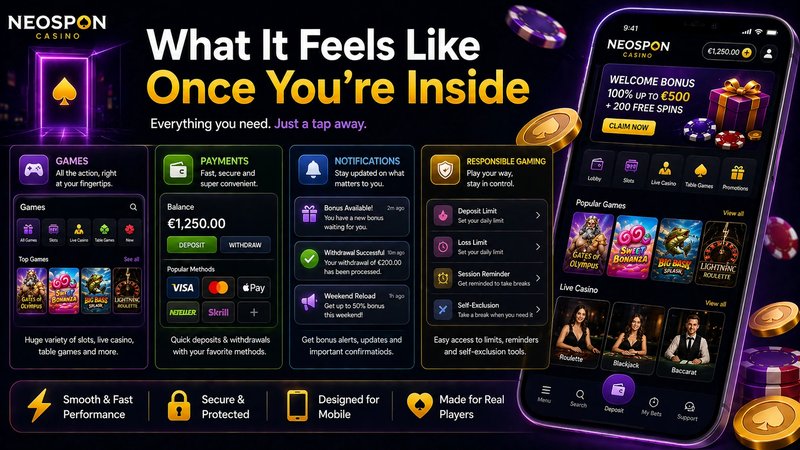
Players can also explore online casino rewards through Donbet Uk.
Beyond the screen, many gamers are looking for ways to blend their digital pursuits with real‑world rewards. Donbet Uk offers a platform where players can earn points for in‑app purchases and redeem them for vehicle financing options, making the gaming experience extend into everyday life.
Challenges That Remain
Despite the growth, mobile esports still faces hurdles. Battery life is a constant concern; a full day of competitive play can drain a phone from 100 % to 30 % in just a few hours. Additionally, the lack of standardized controller support means that players who prefer tactile feedback must rely on third‑party accessories, which can be costly.
Looking Ahead
As hardware continues to improve and game designers refine touch controls, the line between mobile and console esports will blur further. By the end of 2026, projections suggest that mobile titles could account for 45 % of total esports revenue worldwide, with the UK contributing a significant share.
For those who want to stay ahead of the curve, keeping an eye on hardware releases, patch updates, and community events will be key. The mobile esports scene is still young, but its rapid expansion promises new opportunities for players, sponsors, and developers alike.
Frequently Asked Questions
How does 5G improve mobile esports?
5G reduces latency to below 20 ms, cutting lag and making real‑time reactions smoother for competitive play.
What smartphone specs are essential for esports?
Look for an 8‑core processor, 6 GB RAM, and a high refresh rate display to run games at 60 fps without stutter.
Can UK players compete globally on mobile?
Yes—stable 5G coverage in most cities gives UK players a competitive edge comparable to wired connections.
Where can I find ranked mobile tournaments?
Check platforms like ESL, Battlefy, and in‑game leaderboards for UK‑specific ranked events and global competitions.