




 English










































Finish the Day With a Full Wallet


By the time you close your laptop after a long day of virtual meetings, you want your bank balance to reflect the hours you’ve worked, not the miles you’ve traveled. The trick is to lock in savings before you even hit the road. Start by setting a daily budget for meals, transport, and entertainment, and stick to it. If you spend less than your target, you’ll have a surplus to roll into a travel fund or a rainy‑day buffer.

Plan Your Flights Like a Pro
Airfare is usually the biggest line item in a nomad’s budget. I found that booking flights 60 to 90 days in advance can shave up to 30 % off the ticket price. Use fare‑comparison sites that offer price alerts; set one for your most frequent routes. When you’re in a city, keep an eye on flash sales from low‑cost carriers that pop up every few weeks. If you’re flexible with dates, a two‑day shift can save you $50 on a round‑trip ticket from Bangkok to Singapore.
Common Mistake: Ignoring Hidden Fees
Many travelers overlook baggage fees, seat selection costs, and currency conversion charges. Before you finalize a booking, add a 10 % buffer to the quoted price to cover these extras. It’s a small habit that prevents surprise expenses from eroding your savings.
Choose Accommodation Wisely
Hostels, co‑working spaces, and short‑term rentals each have their own price curves. I use a spreadsheet to track nightly rates per city. In most places, booking a private room in a shared apartment through Airbnb for 30 days drops the nightly cost from $70 to $45. If you’re staying in a city for more than two weeks, look for a “mid‑term” discount—some hosts offer 15–20 % off for stays over 30 days.
When you’re in a new city, try swapping a paid coworking space for a local library or café that offers free Wi‑Fi. The only downside? You’ll need to manage your time more strictly, but the savings are real.
Master the Art of Local Dining
Eating out every day can quickly eat into your budget. I’ve learned that buying groceries for a few meals a day and eating out only on weekends keeps costs down. In Tokyo, a simple ramen bowl from a street stall costs $3, while a restaurant meal averages $15. If you’re on a tight budget, aim for 70 % of your meals to be self‑prepared.
Use food delivery apps to find daily specials. Many restaurants post a “happy hour” menu between 4 p.m. and 7 p.m. that cuts the price in half. Pair this with a loyalty program to earn points that can be redeemed for free meals.
Keep Your Tech Running Smoothly
Internet outages can derail a project. To avoid costly last‑minute fixes, subscribe to a local SIM card with a generous data plan. In Mexico, a 10 GB plan costs $15 per month—less than the average cost of a hotel Wi‑Fi package. If you need a backup, invest in a portable power bank; a 20 000 mAh unit can charge a phone three times and costs under $30.
Leverage Loyalty Programs and Cashback
Many airlines, hotels, and even coffee shops offer loyalty points. Sign up for a travel rewards credit card that gives 2 % cash back on travel purchases. When you book a flight, you’ll earn points that can be redeemed for free upgrades or future flights. A single $200 flight can net you $4 in cash back.
For everyday spending, use a cashback app that partners with local retailers. In Berlin, a grocery purchase of €50 can earn you €2 in cash back, which adds up over a month.
Connect Savings with Entertainment
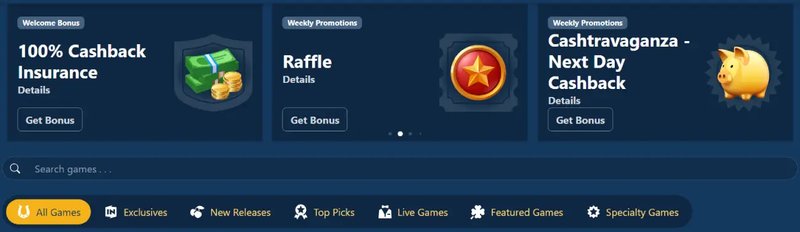
After a day of work, you’ll want to unwind. Online gaming and streaming are popular ways to relax, but they can also be a hidden drain on your budget. Look for platforms that offer free or low‑cost access to a wide range of titles. If you’re a fan of casual games, you can play for free on many mobile app stores. For more immersive experiences, check out subscription services that bundle multiple games for a flat monthly fee.
Here’s a quick tip: many gaming sites run “daily free‑play” days where you can try a new game without paying. If you’re looking for a quick escape, these free trials can be a great way to enjoy entertainment without adding to your expenses. For example, love-bargains.co.uk offers a curated list of budget‑friendly gaming deals that can help you keep your leisure time fun and affordable.
Wrap It All Up
Smart savings for a digital nomad aren’t about cutting every pleasure; they’re about making deliberate choices that add up over time. By booking flights early, hunting for mid‑term accommodation discounts, eating local, and leveraging loyalty programs, you can keep your wallet healthy while still enjoying the freedom of the road. Remember, the goal is to finish each day with a fuller bank balance, ready for the next adventure.
Frequently Asked Questions
What is the first step to ensure I finish the day with a full wallet?
Set a daily budget for meals, transport, and entertainment and track your spending in real time.
How can I use any leftover money effectively?
Roll any surplus into a travel fund or a rainy‑day buffer to build financial resilience.
Why is airfare a big concern when budgeting for travel?
Airfare often constitutes the largest line item, so planning it like a pro can save you a significant amount.